
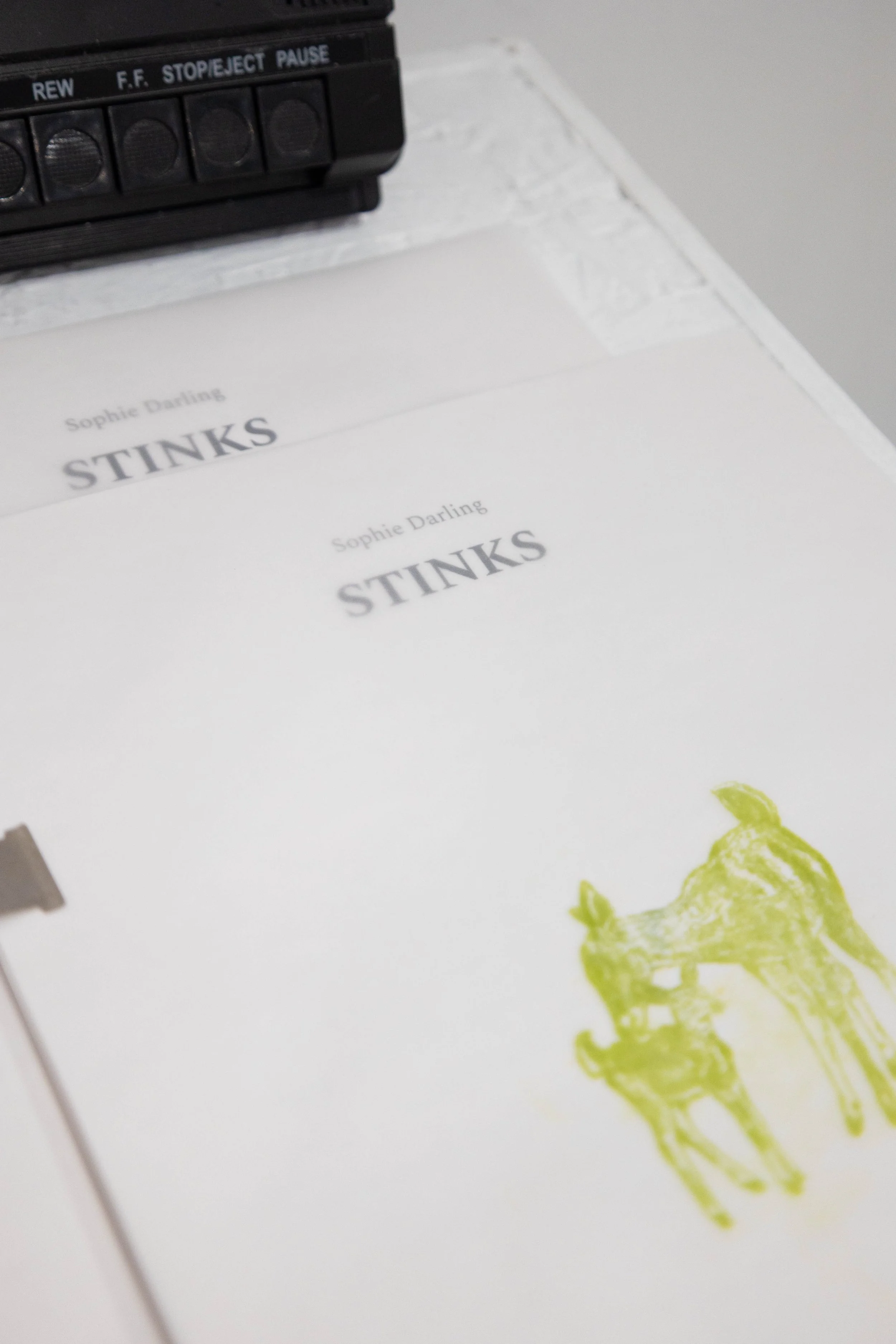
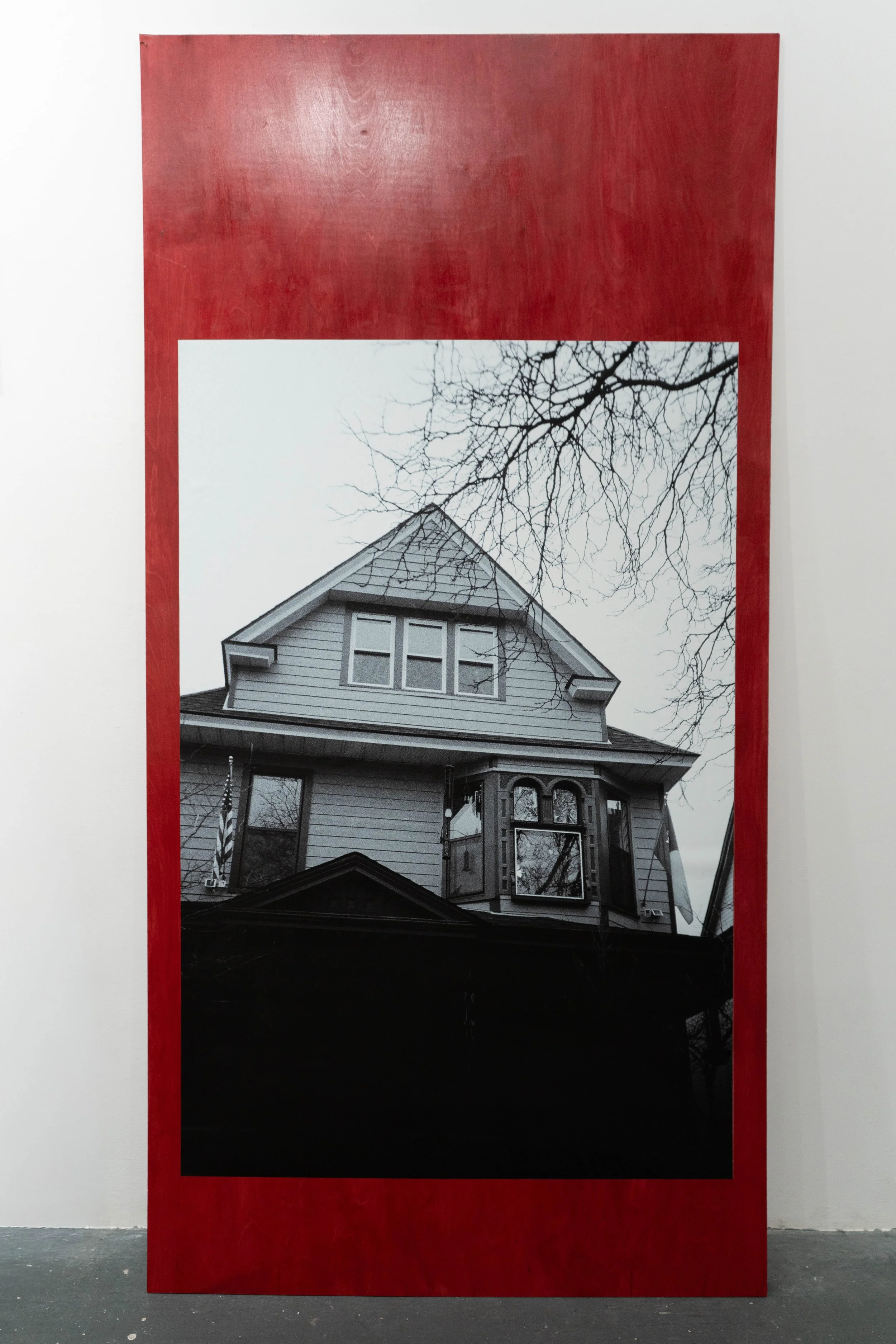

Stinks
2026
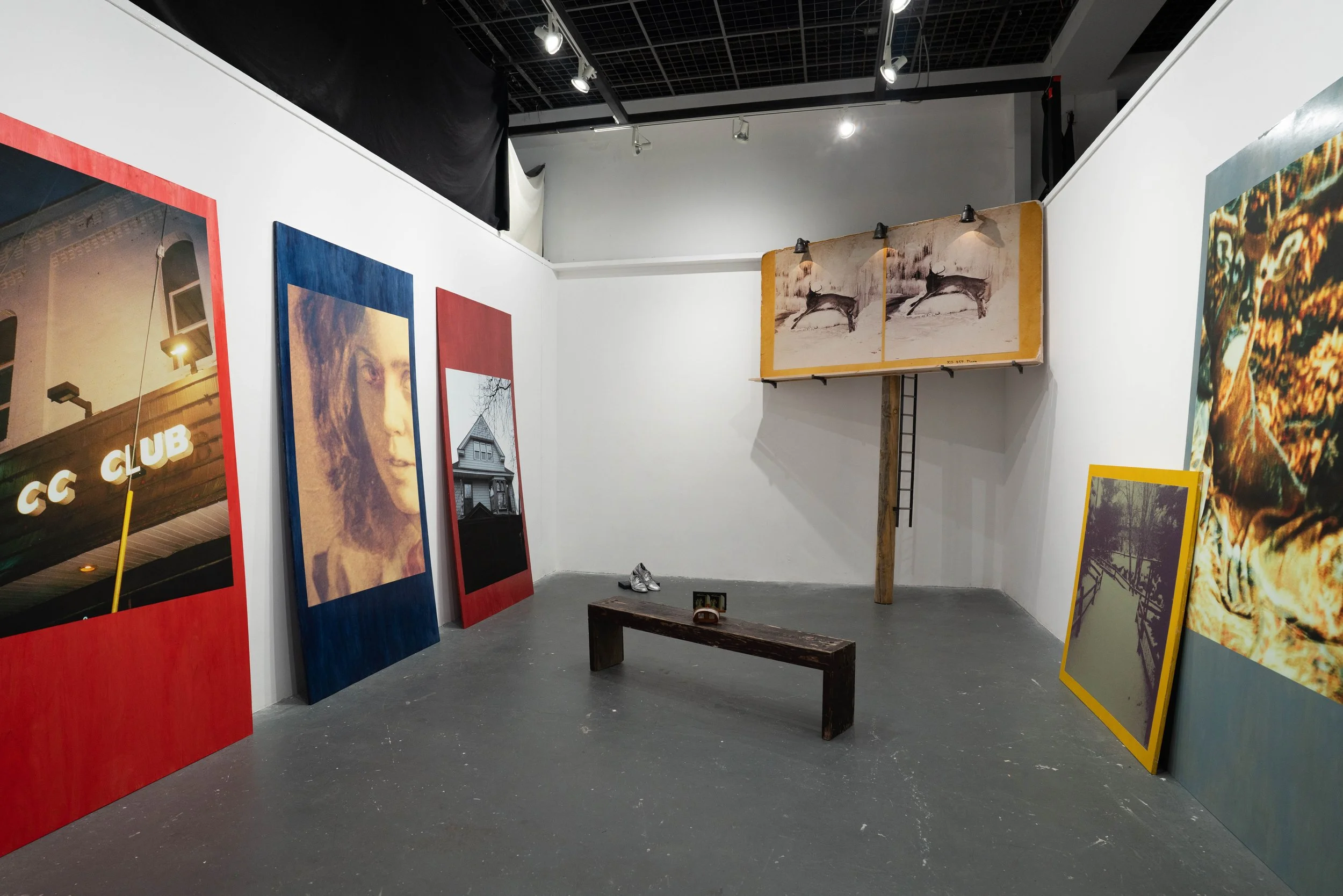
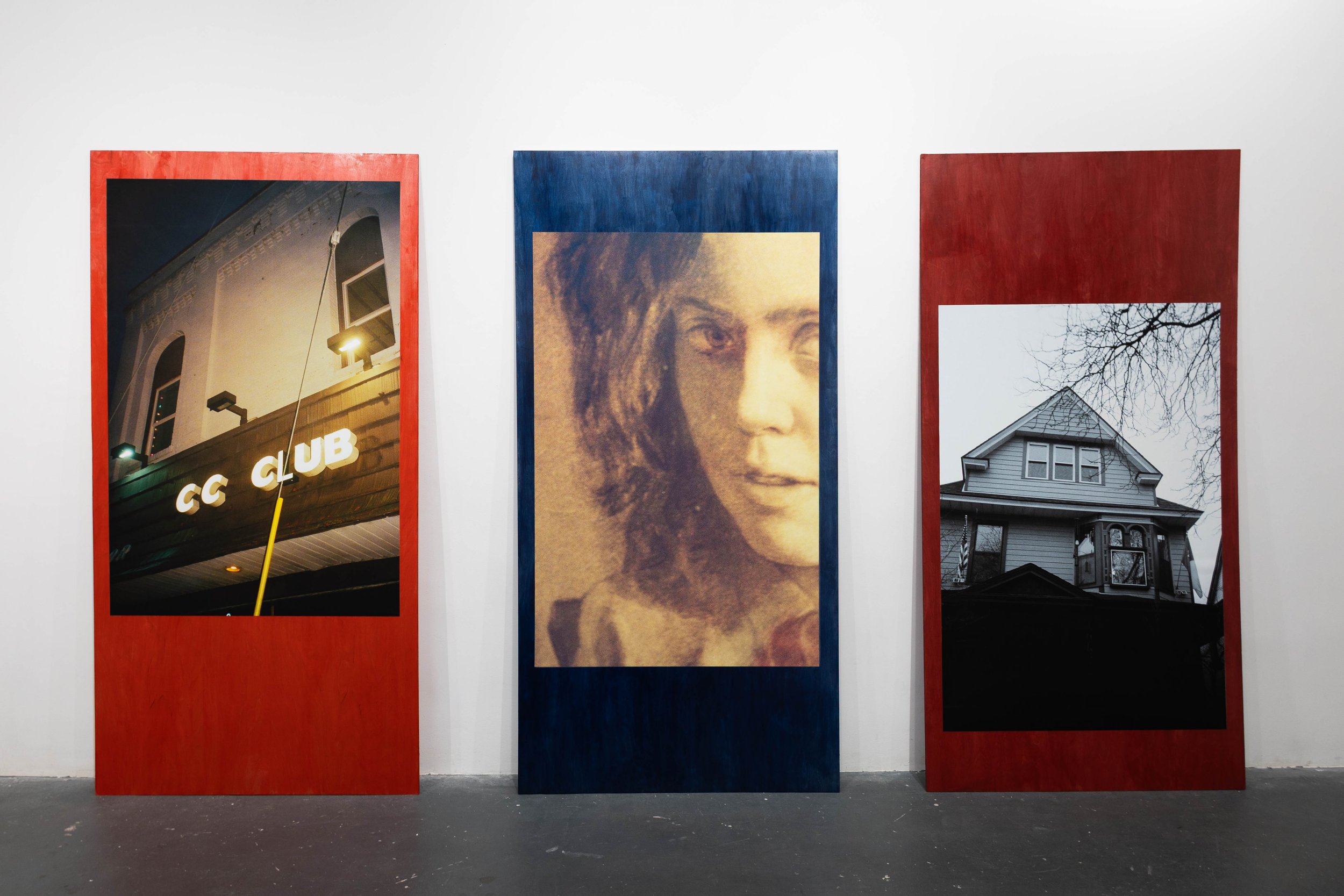
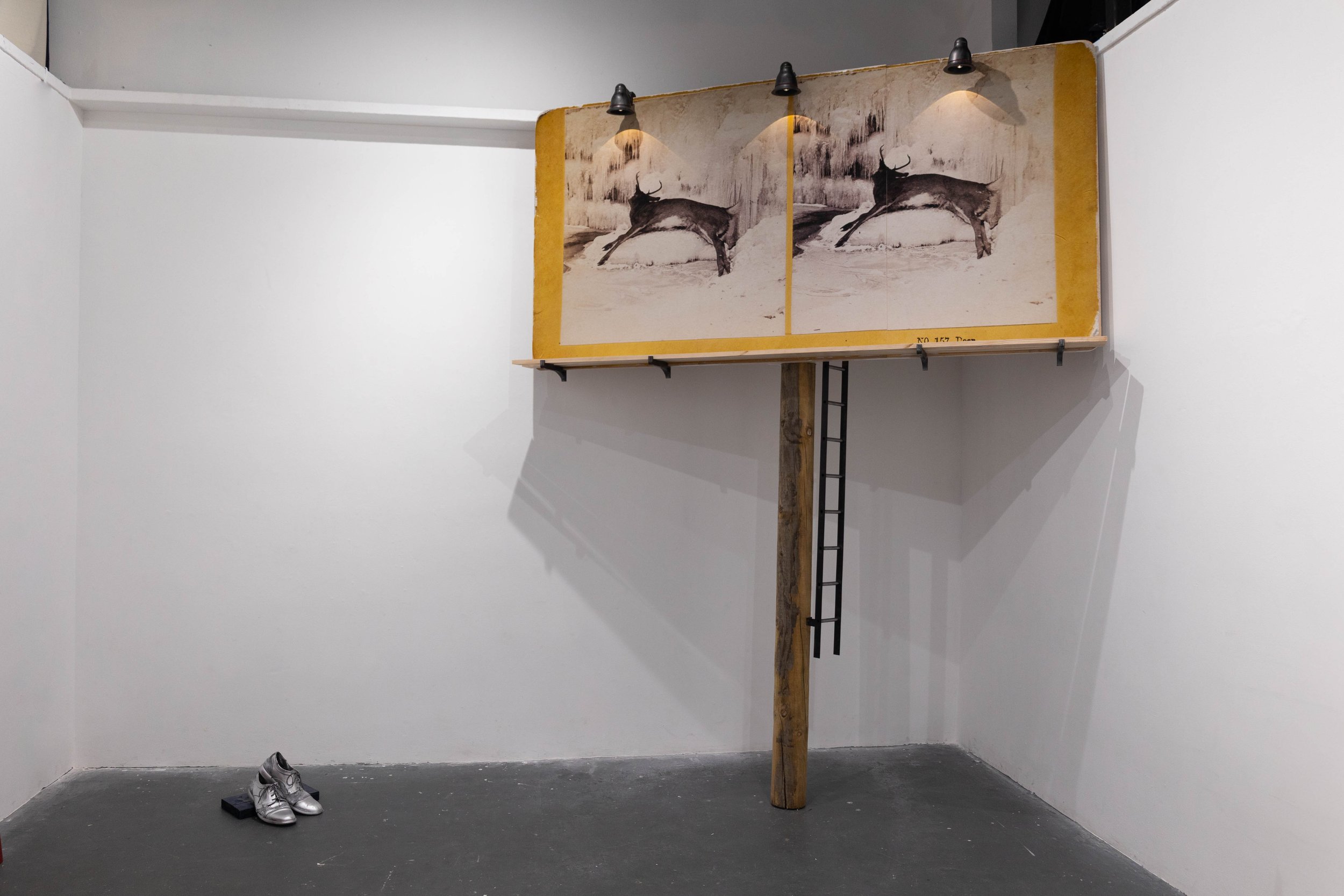
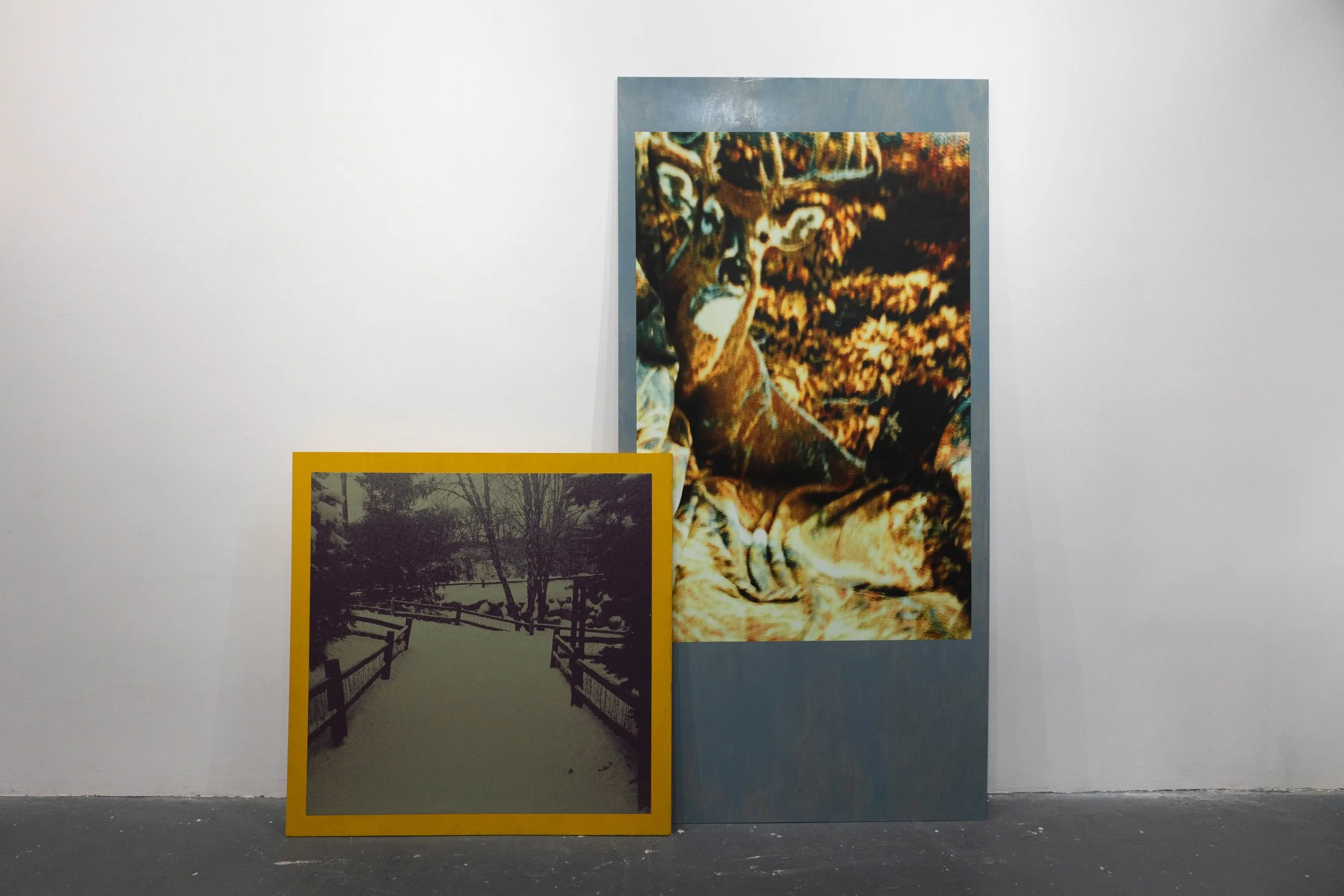
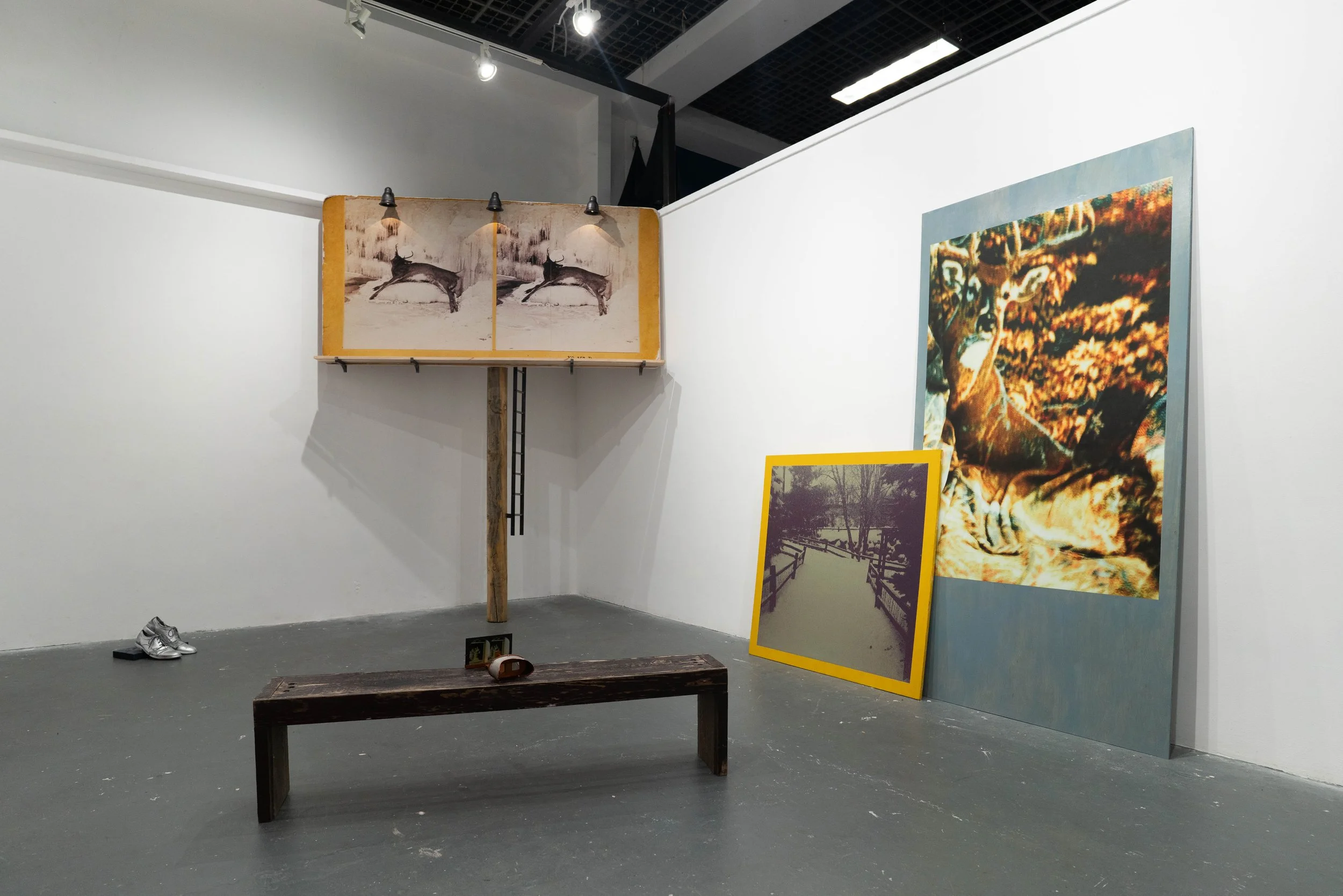
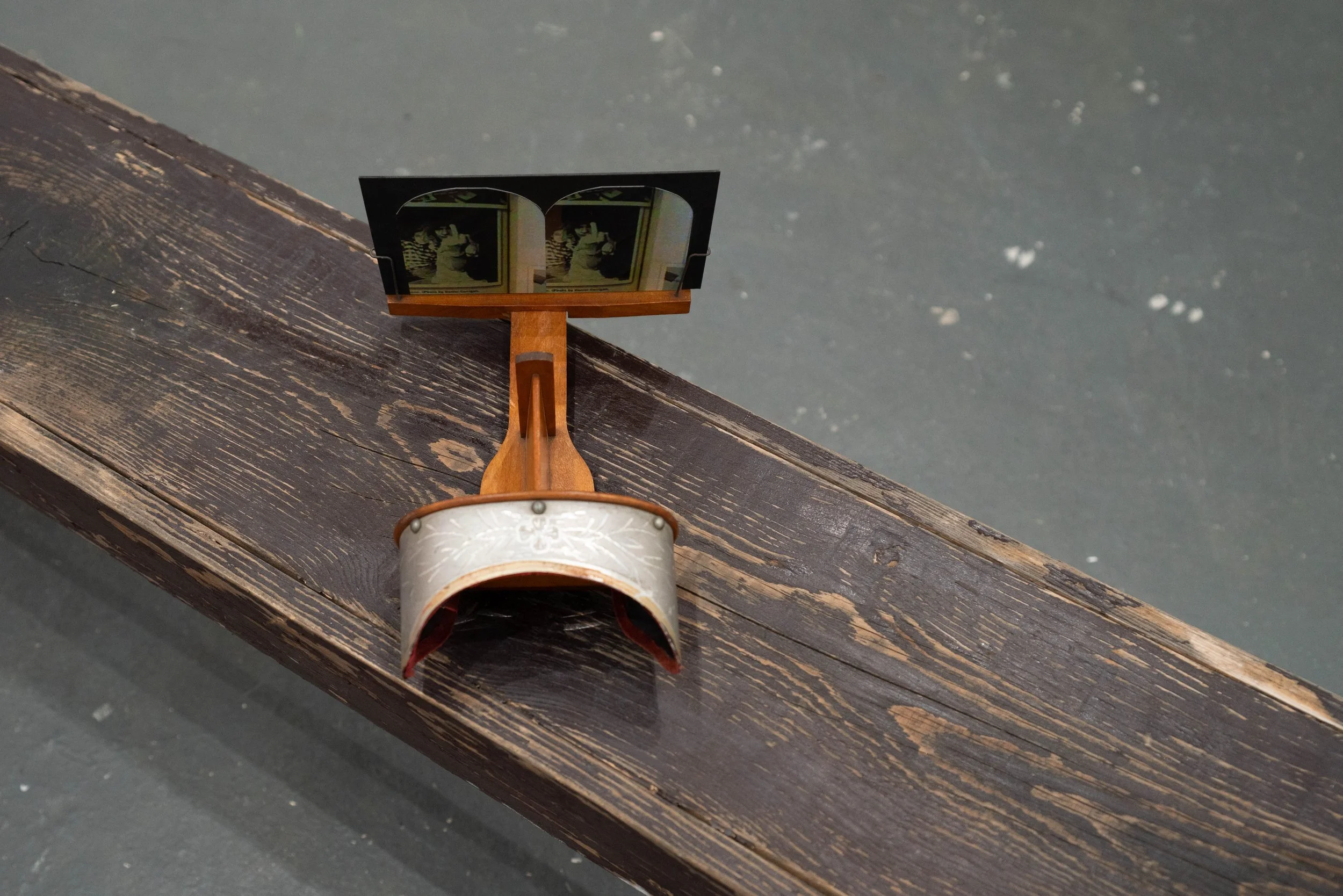
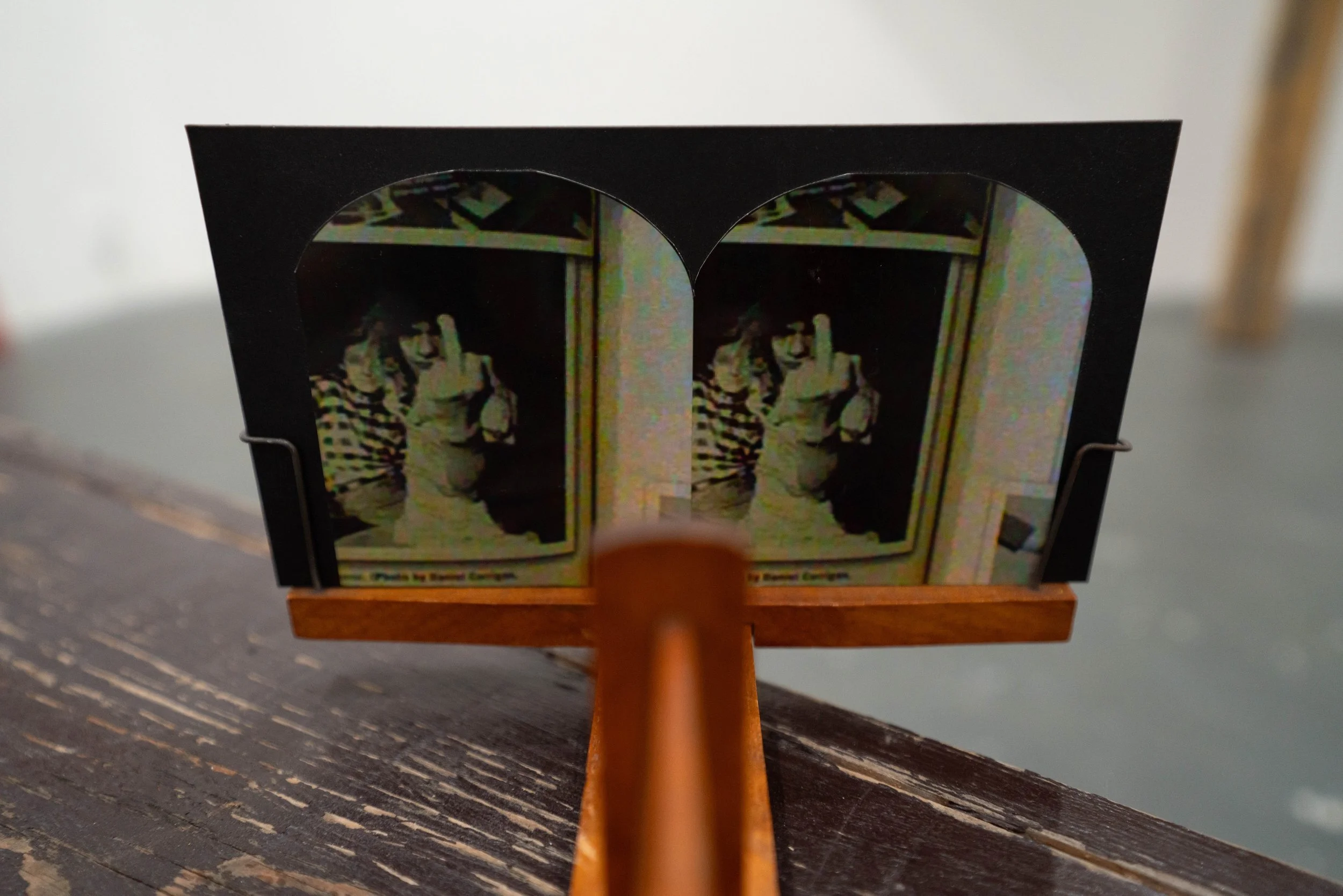
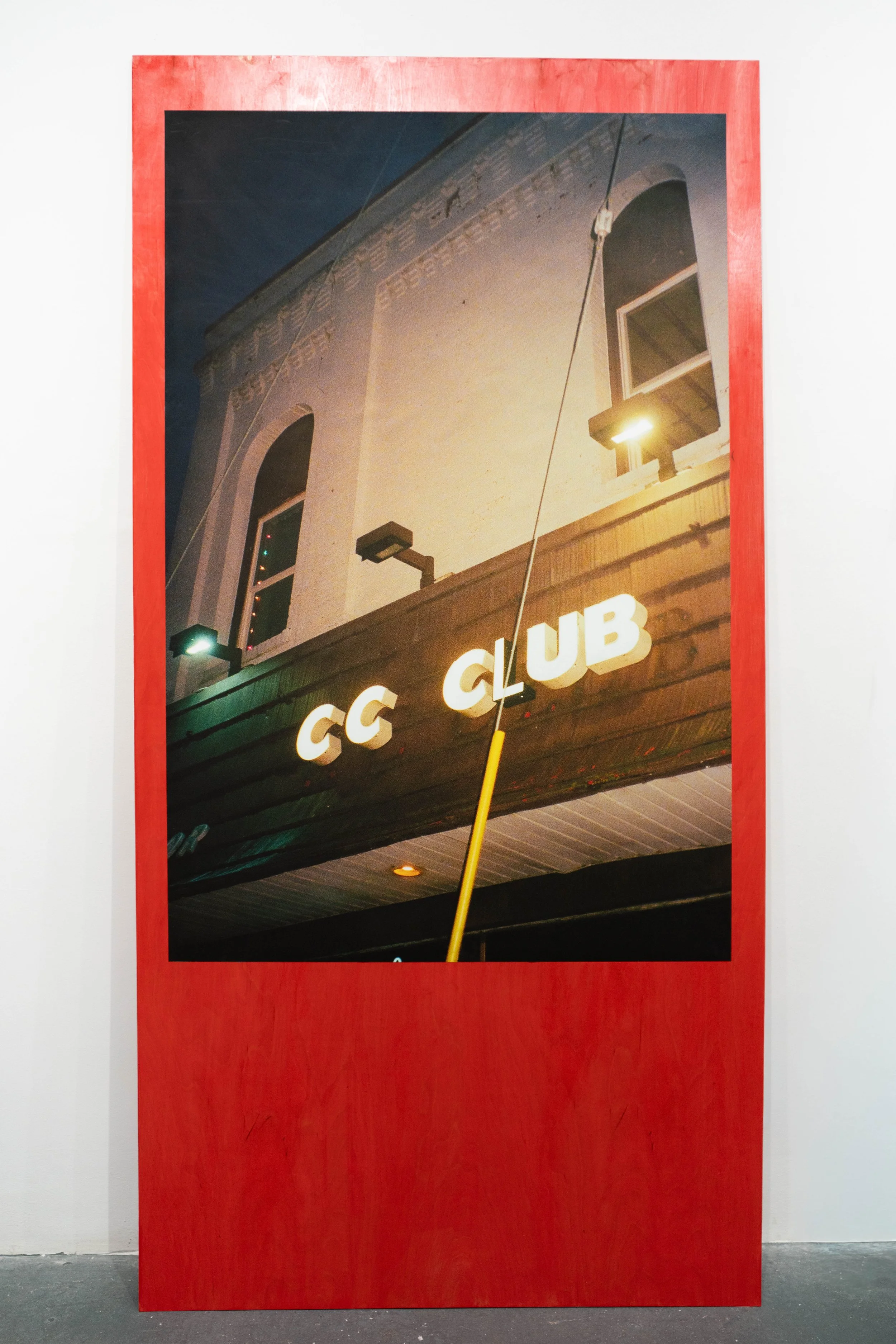
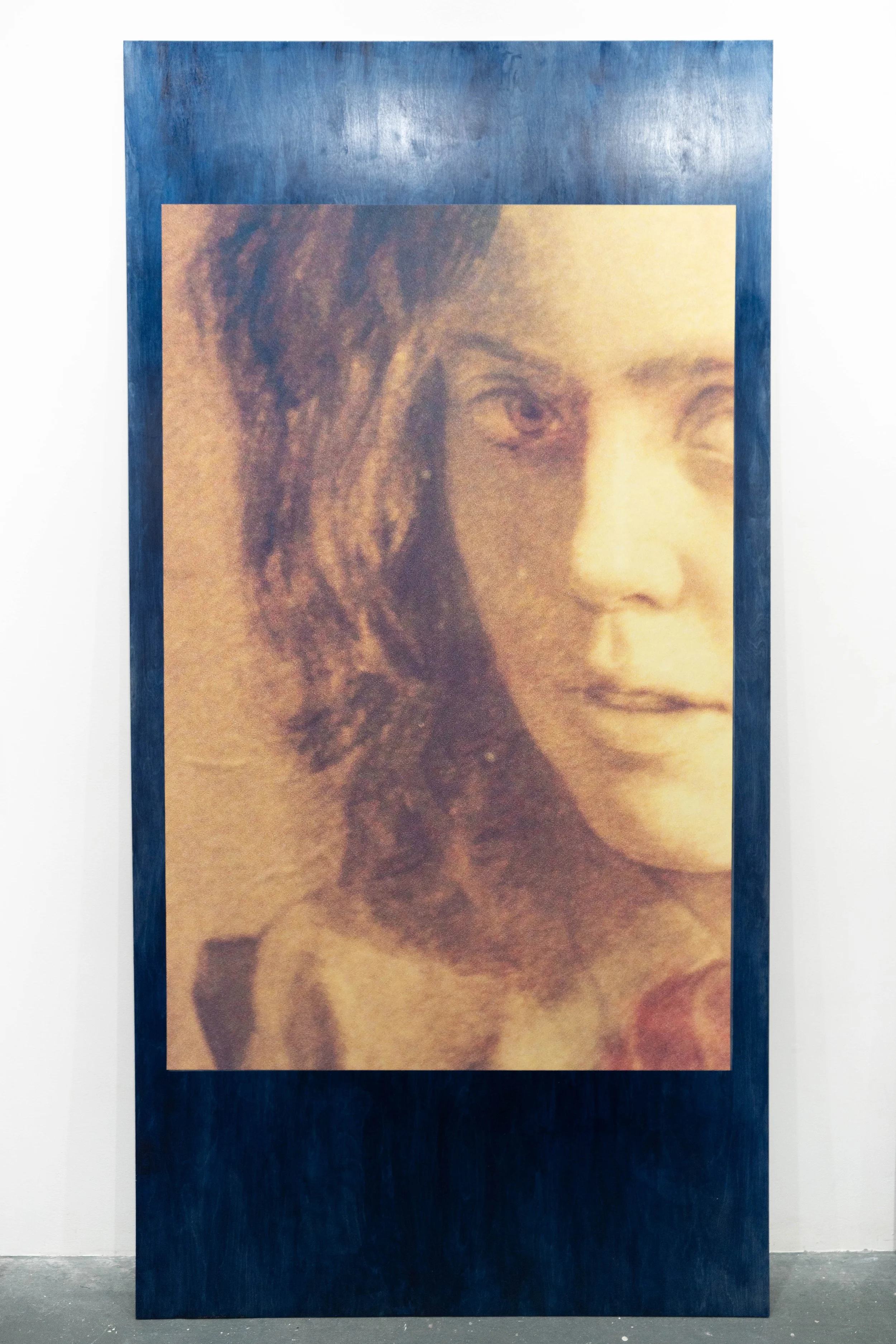
An accumulation of visual cues, archival prints mounted in reference to wheat-pasted billboards and posters, stereographic imagery, simulated spaces, stained wood, as well as found audio of a Replacements performance at the CalArts Halloween party in 1984.
The California Institute of the Arts
Thesis Exhibition
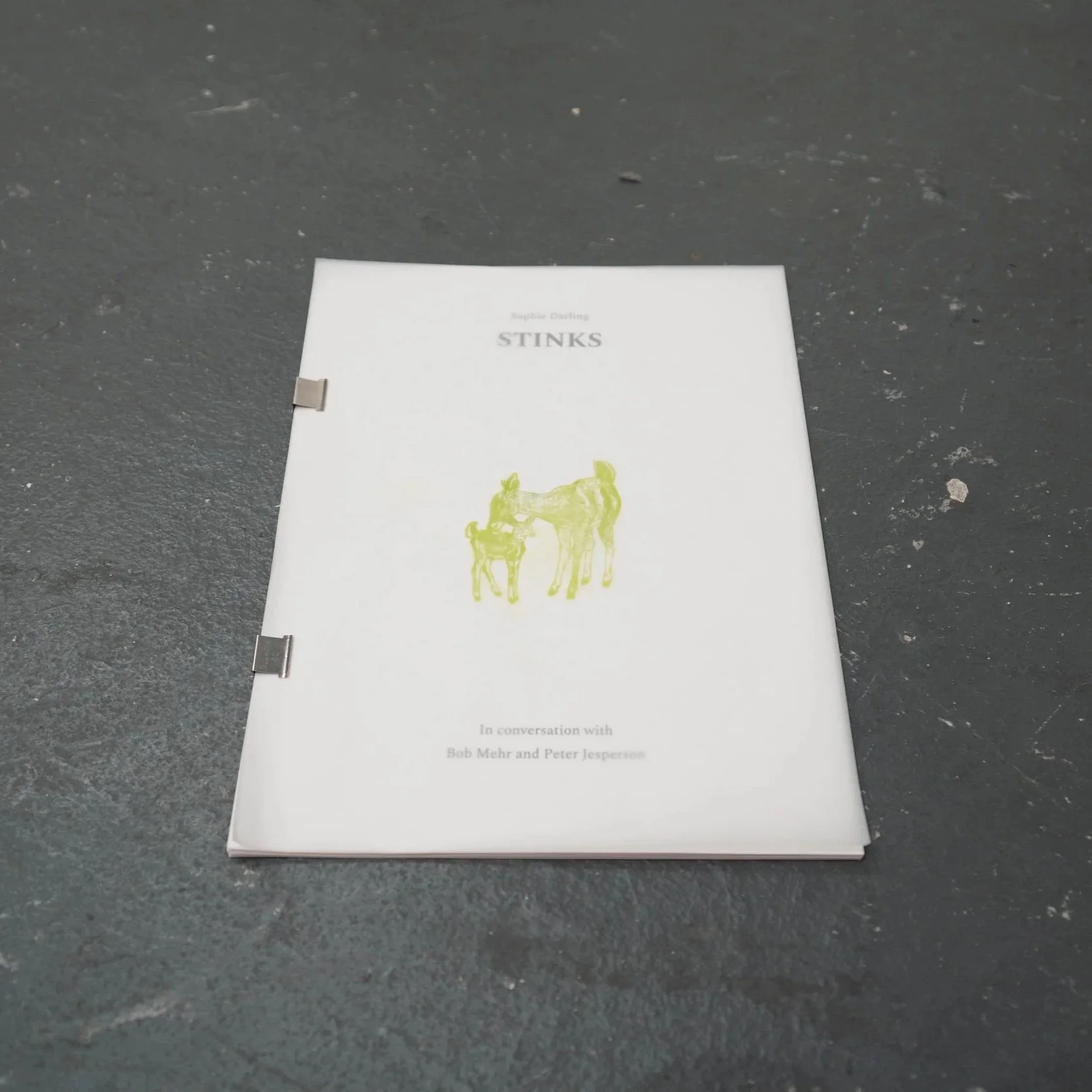
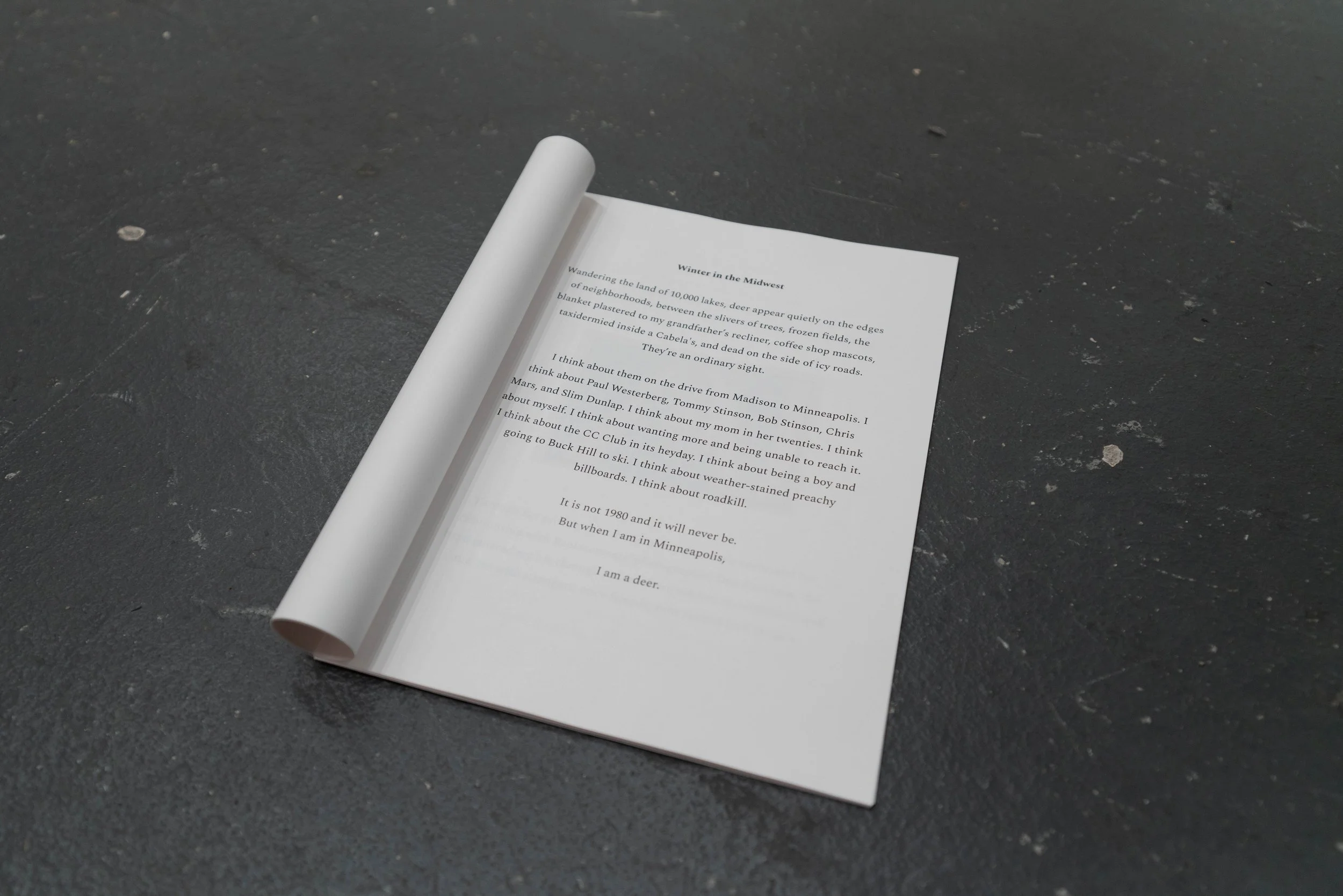
Winter in the Midwest
Wandering the land of 10,000 lakes, deer appear quietly on the edges of neighborhoods, between the slivers of trees, frozen fields, the blanket plastered to my grandfather’s recliner, coffee shop mascots, taxidermied inside a Cabela's, and dead on the side of icy roads. They’re an ordinary sight.
I think about them on the drive from Madison to Minneapolis. I think about Paul Westerberg, Tommy Stinson, Bob Stinson, Chris Mars, and Slim Dunlap. I think about my mom in her adolescence. I think about myself. I think about wanting more and being unable to reach it. I think about the CC Club in its heyday. I think about being a boy and going to Buck Hill to ski. I think about weather-stained preachy billboards. I think about roadkill.
It is not the 1980’s and it will never be.
But when I am in Minneapolis,
I am a deer.
Inheritance
I visit Minnesota almost every winter.
The reason for these ventures into the midwestern snowscape: my mother.
Through her proximity to the Minneapolis music scene and her relationship with Replacements’ photographer Dan Corrigan, the band entered my life through passed down stories, recollections, and run-ins with strangers, once friends, now retired lead singers.
The Replacements
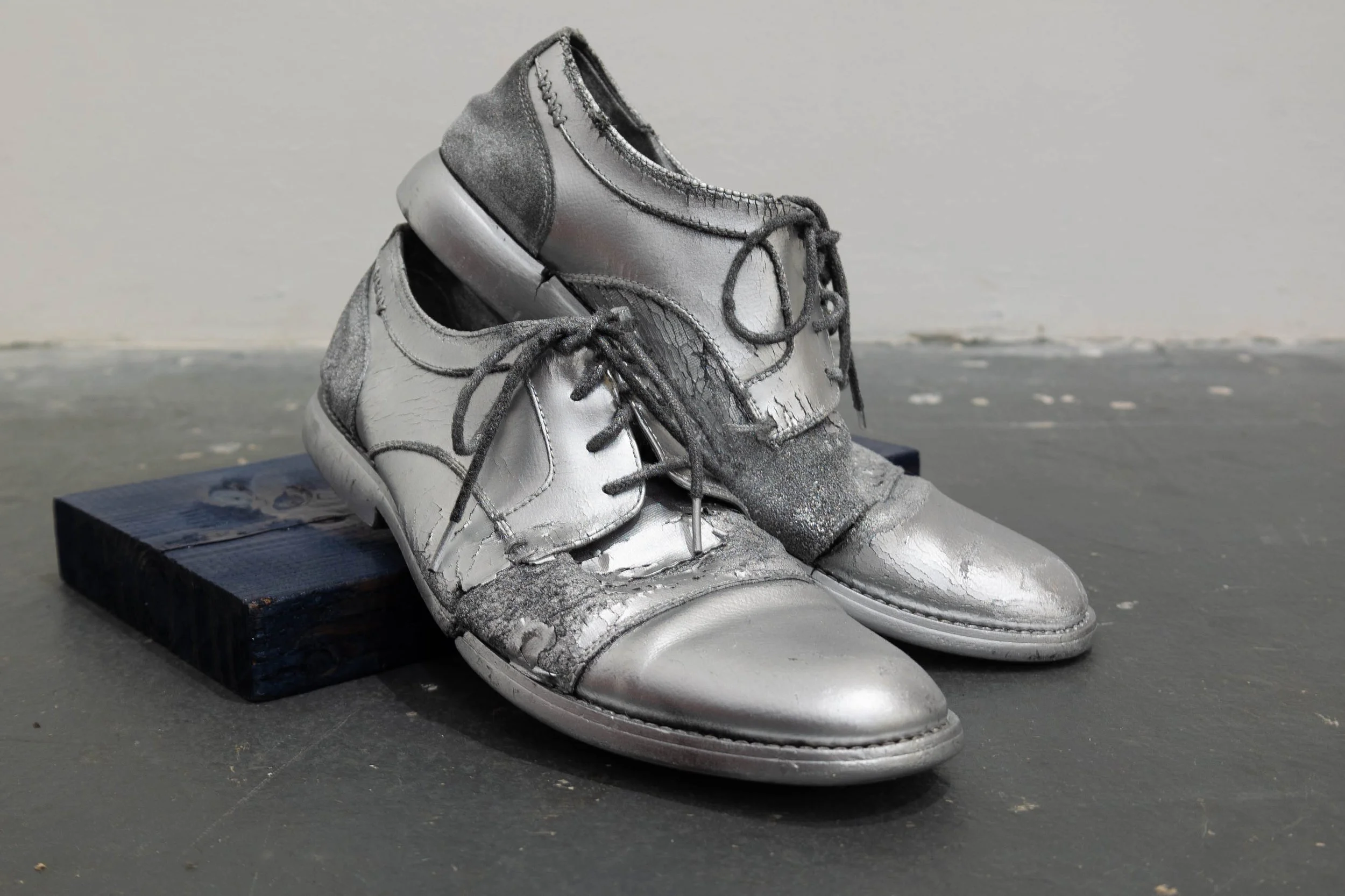
A band from Minneapolis that existed in between sincerity and sabotage. Four young men who wrote songs about wanting more, and acted like they didn’t care when they got it, and drank a lot. All while wearing ill-fitting plaid suits and spray painted shoes.
Peter Jesperson
The Replacements’ first champion, co-founder of Twin/Tone Records, early manager, babysitter, and the band’s first fan. Jesperson was the first to recognize the songs of Paul Westerberg, music that revealed a softness rarely heard in punk at the time. He guided the band from Minneapolis basements into the wider world.
Bob Mehr
Music journalist and author of Trouble Boys: The True Story of the Replacements. Through years of reconstructing the band’s history through interviews, archives, and memory, Mehr dives into how a small Minneapolis band created songs that encapsulated the emotional landscape of the American Midwest.
In Conversation with Peter and Bob
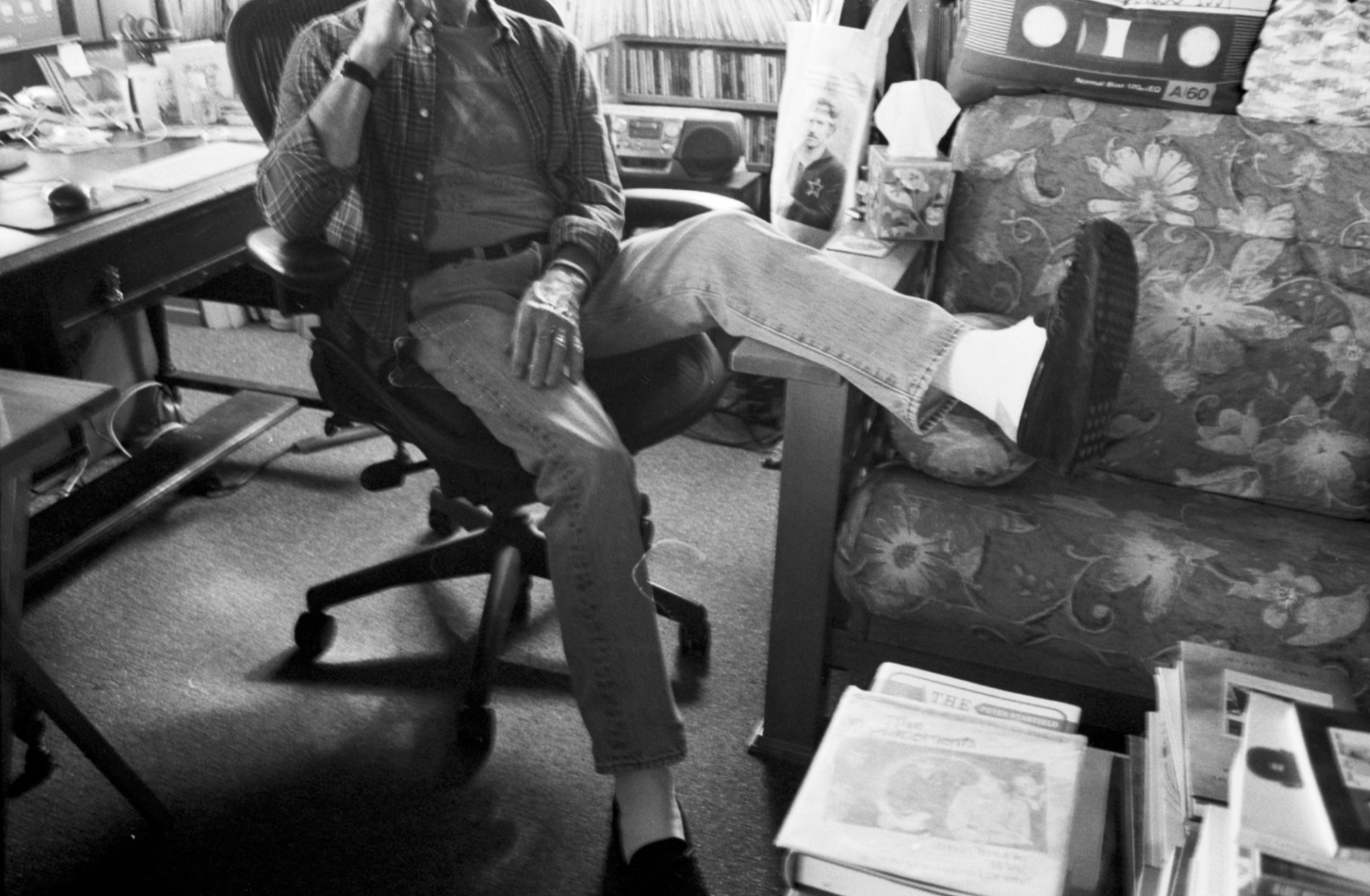
I had the privilege of speaking with Bob Mehr via Zoom and Peter Jesperson at his home in Los Angeles.
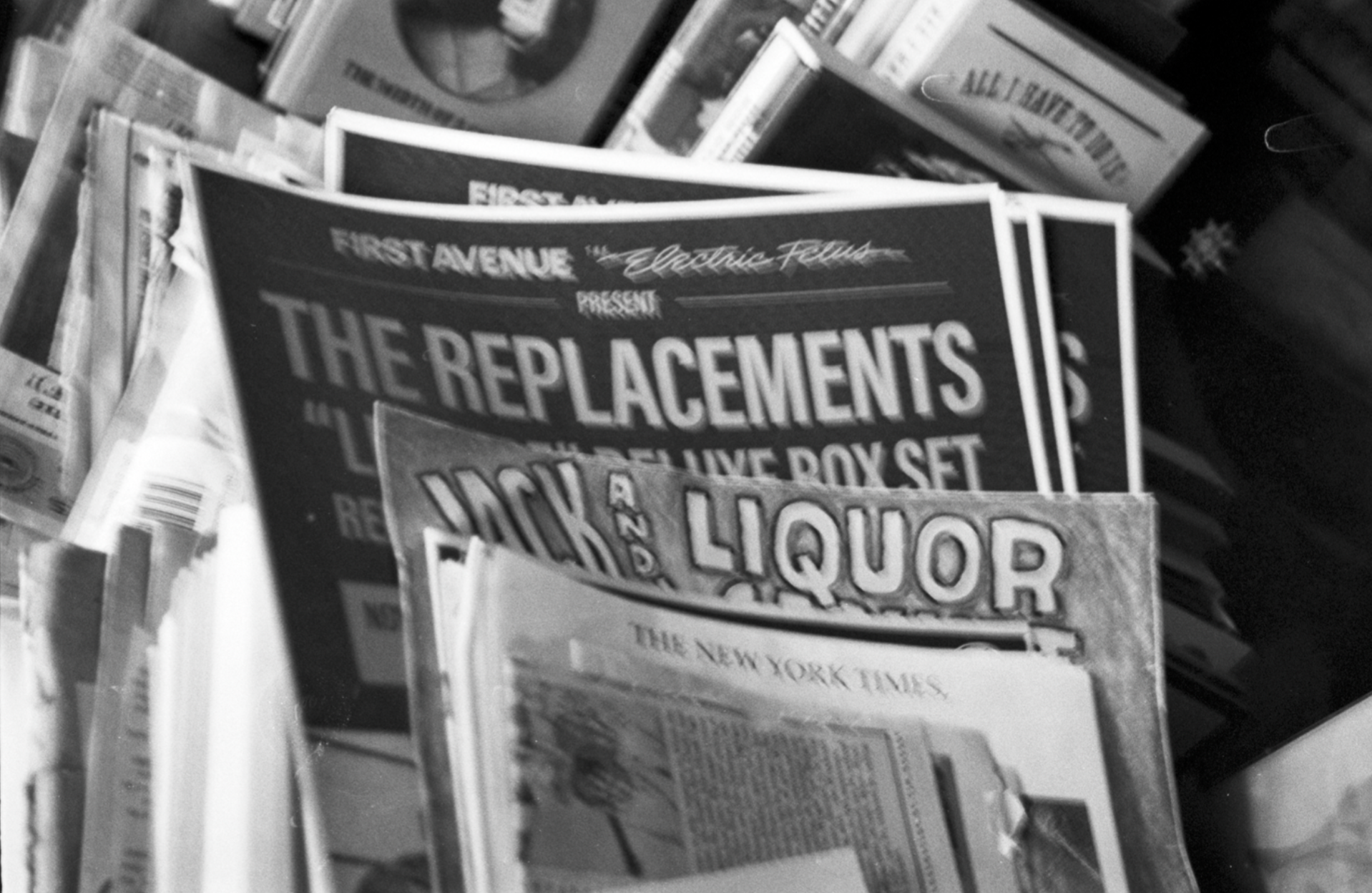
“I can still see the kids in front. There were eight or ten of them that had mohawks, pierced everything, leather jackets, and they did not look friendly. I mean, lots of times Westerberg would let them have it. For an audience that was screaming for “I Need A Goddamn Job” he'd do a Hank Williams song instead.” - Peter Jesperson
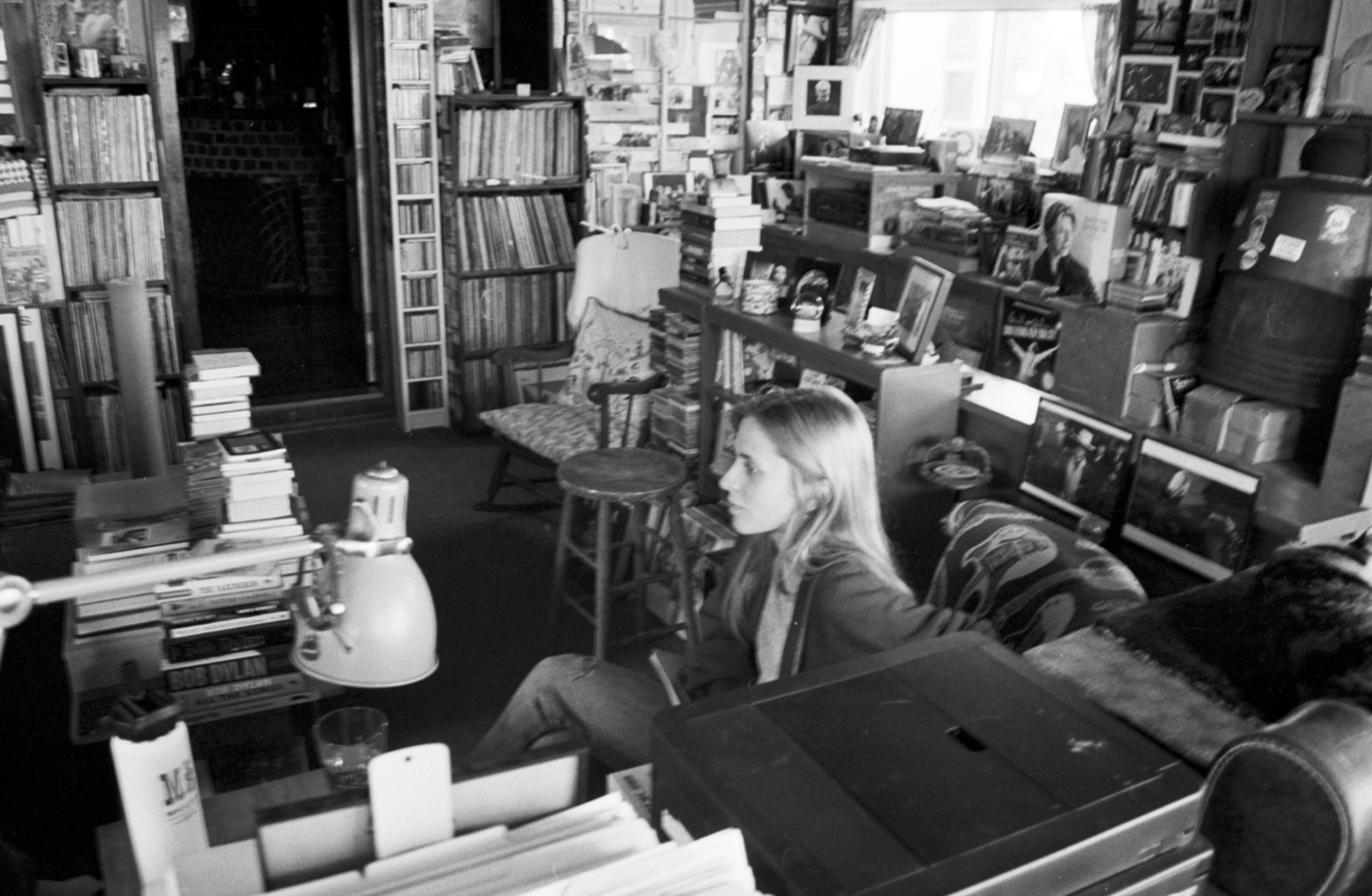
“Westerberg, I think, had a fear of trying too hard because then if he failed, he would look like a failure. Whereas if he looked like he didn't try too hard and it was successful, he could reap the benefits without looking like he tried so hard.” - Peter Jesperson
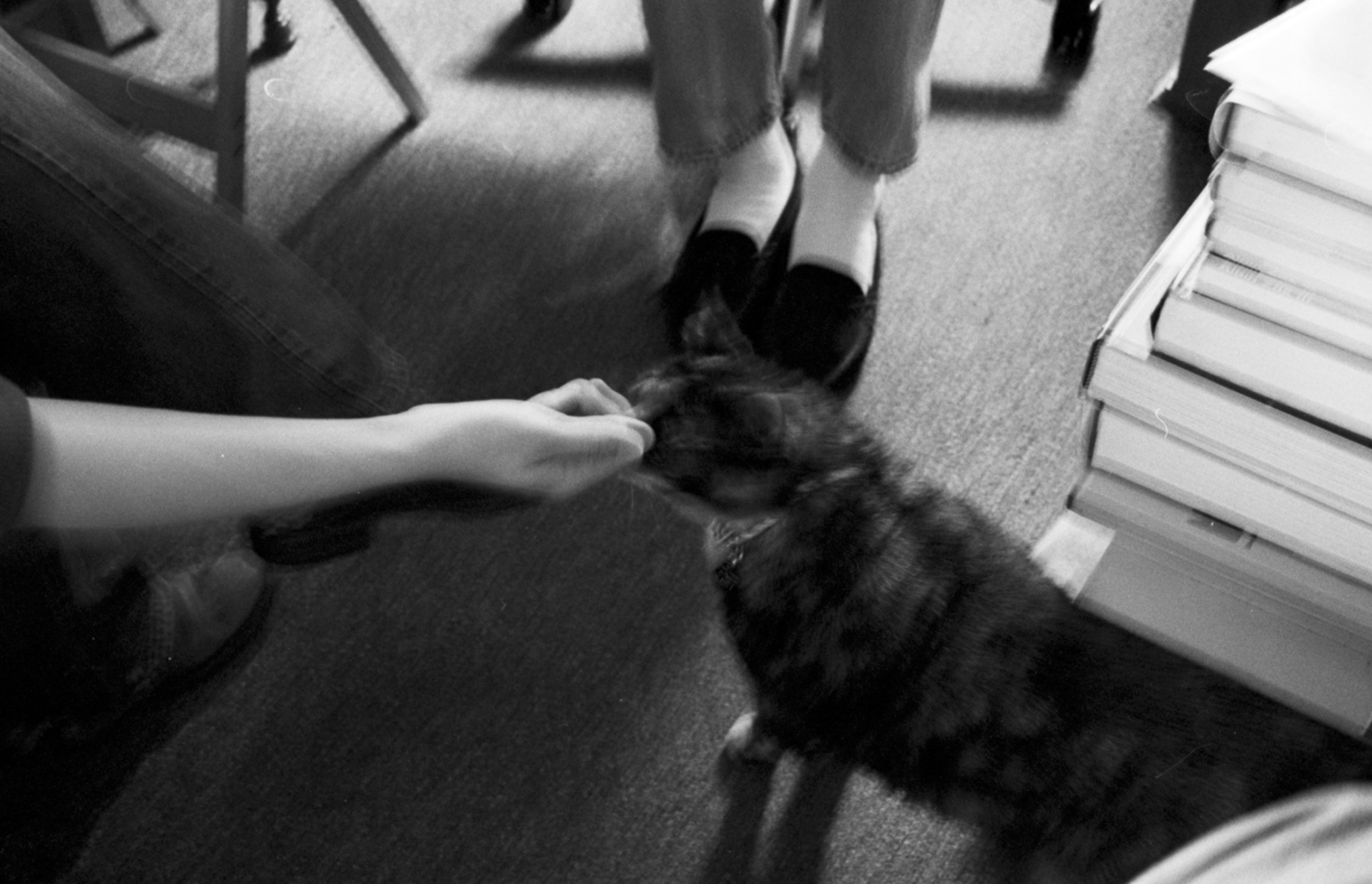
“Within a swirl of complexity and trauma, they found something very simple and beautiful in each other as a band, in the way they work together, and the sound they produced. That carried them for a long time until all this other stuff, real world stuff, their own insecurities, anxieties, and problems eventually sort of messed that up too. I think that's why they're compelling. Because they don't really have a conventional happy ending.” - Bob Mehr
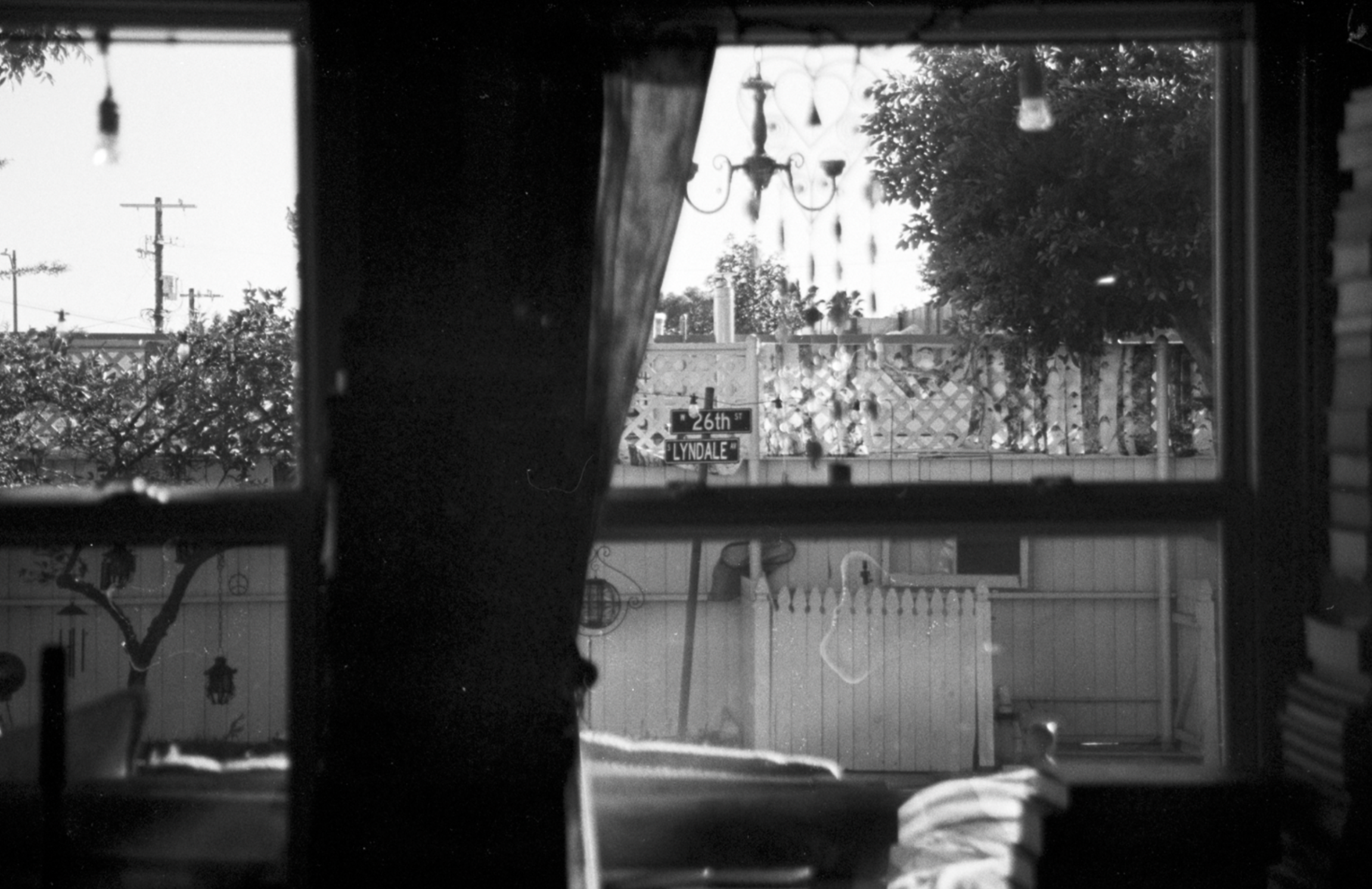
Prior to speaking to Jesperson, I was unaware that the Replacements had performed at CalArts.
This performance is what you’re now hearing.
“The Replacements are, in some ways, a product of a kind of sociopolitical and economic environment. And then their story, if you read it, is really sort of class oriented. That was very much dictated by the Stinsons. And in fact, if you look at a lot of the early advertising first few years of the Replacements, some of this was from Jesperson and the idea of low class rock. I mean, they were sort of that. They were always kinda looking for an angle, and the first record was their power trash.” - Bob Mehr
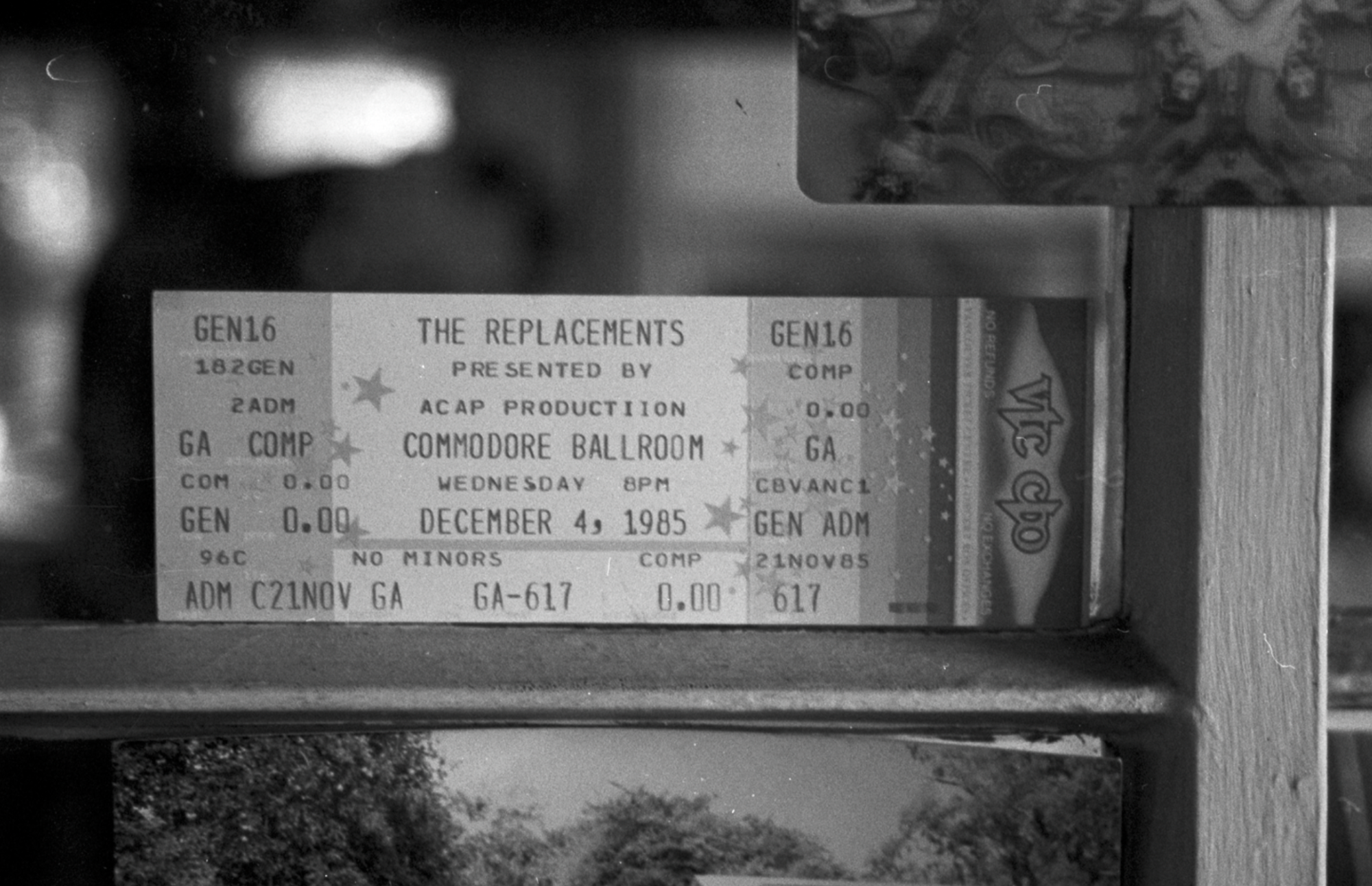
“The band was very much defined, not even so much by their own experiences, although that would factor, but by the experiences of their parents and their experience of their communities and the experience of their homes and the way people talked or didn't talk about certain things.” - Bob Mehr
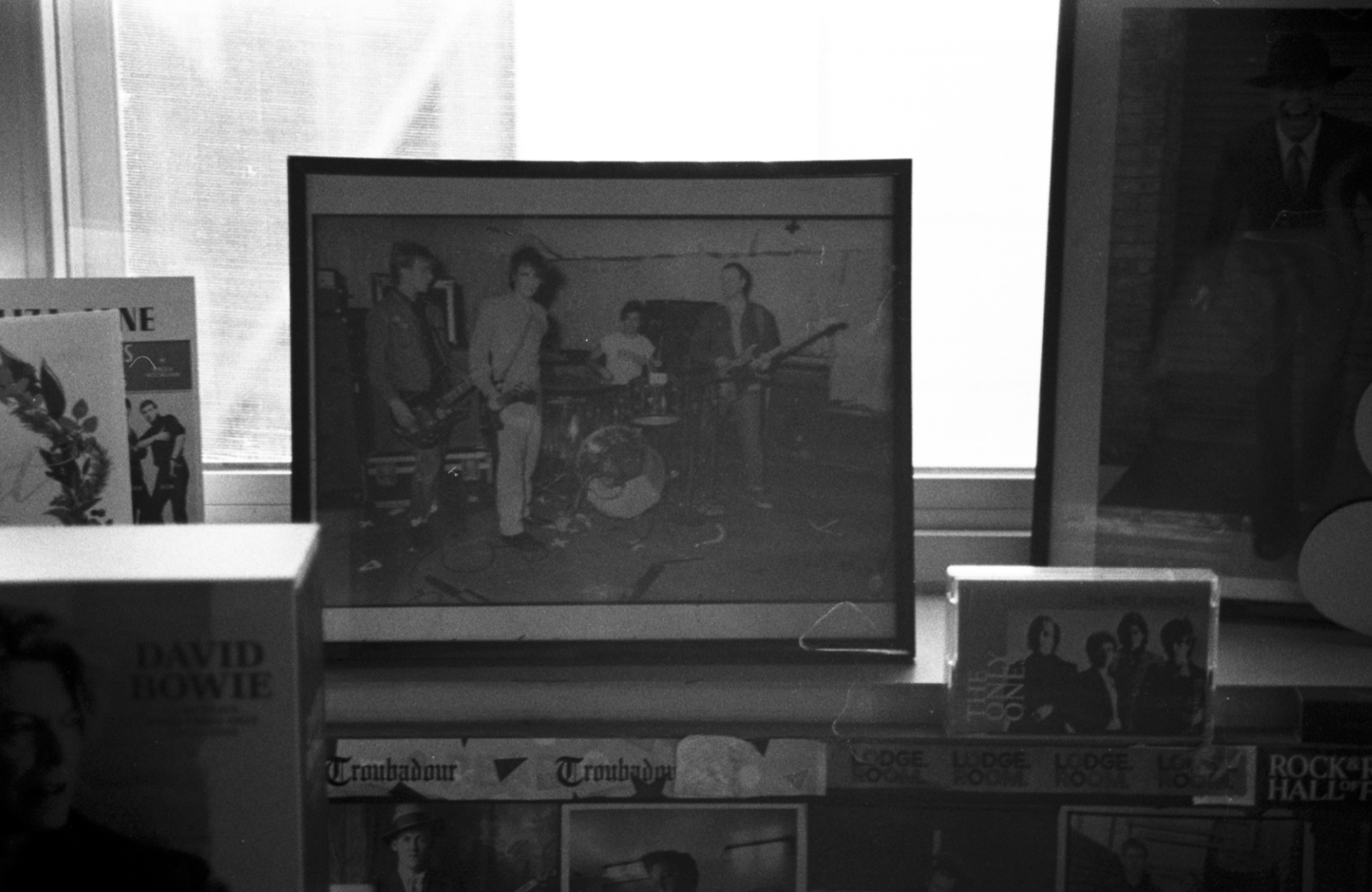
“They were bored easily. They were squirrelly. They weren't comfortable with the trappings of what having your photograph taken implied.” - Bob Mehr
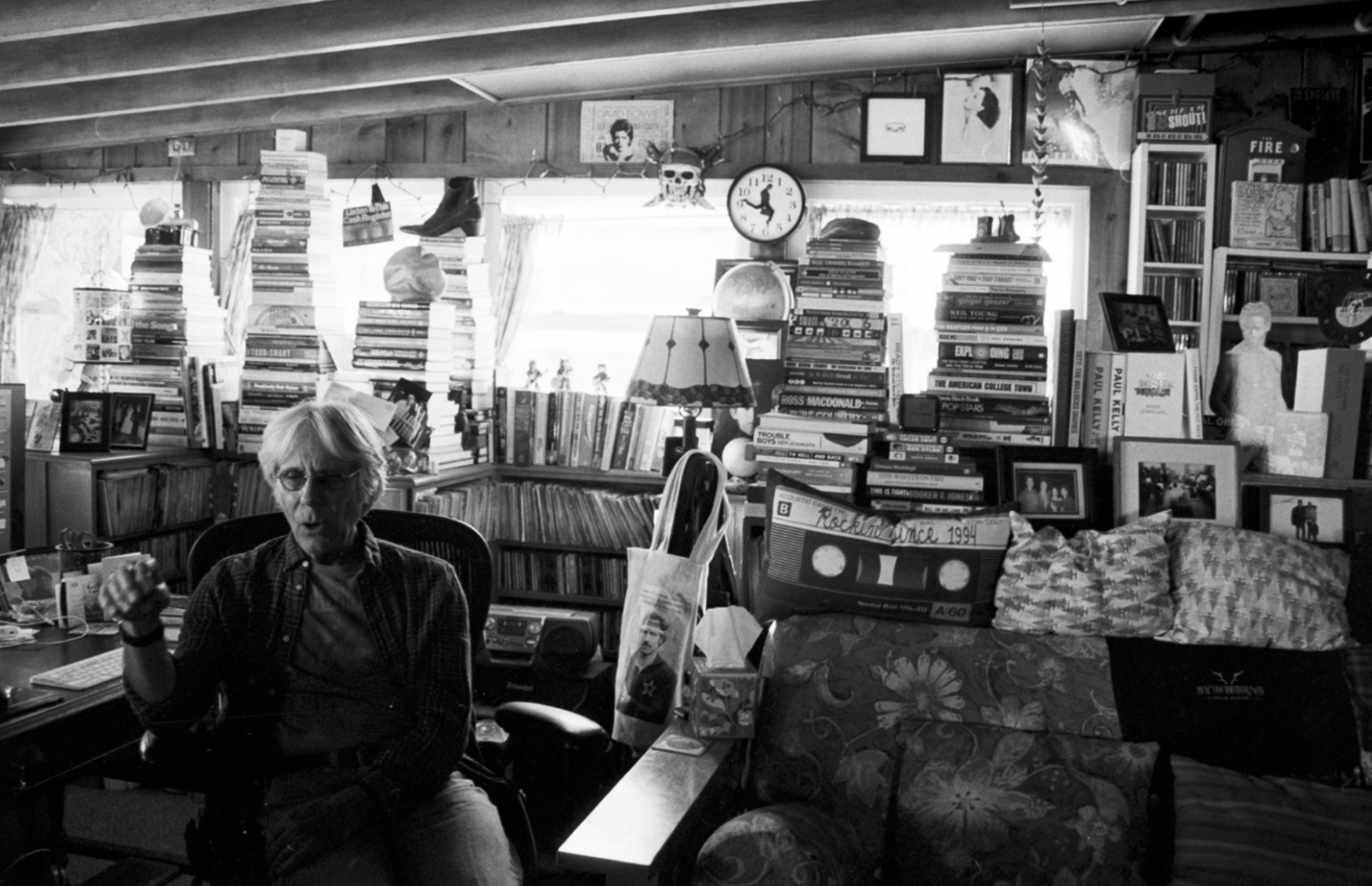
“I loved CalArts when we were there back in 1984. It was a memorable night. The show itself, sharing a dressing room with the Minutemen, and the way the students elaborately decorated the stage, including a big castle backdrop with turrets on each side displaying flags that had Mickey Mouse with devil horns on them. Another memory embedded in my brain is how hard it was to back our van-with-trailer up a skinny driveway to the loading door.” - Peter Jesperson
In Closing
“The Replacements are a populist band in the sense that Springsteen and The Band were populist - rooting for the little folk who always get trod on, feeling aggrieved and fed up and cheated in some way, but never quite getting to grips with why their dreams have absconded. That's because populism as a political/cultural force exists in the troubled space between American "recurring dreams" of space and freedom and purpose, and the lived reality of constriction and entropy and powerlessness. Populism refuses to relinquish its belief in the promise of America, the possibility of a commonwealth of self-sufficient individuals, and so can't work out what went wrong. Populism has a whole load of questions, but no answers; which makes for great music, but lousy politics.”
Simon Reynolds for Melody Maker, 1987